Awareness, Member story
‘I didn’t know anyone else like me’ – living as a trans woman with severe haemophilia A
Written by Naomi, June 10, 2026
For Elizabeth, growing up with severe haemophilia A often meant feeling different from the people around her. Frequent bleeds and restrictions on physical activity left her feeling excluded during childhood, long before she began to understand her gender identity.
Now 26, Elizabeth hopes that by sharing her story she can help start more open conversations about identity, healthcare and belonging within the bleeding disorders community. Elizabeth remembers spending much of her childhood sitting out of activities that other children took for granted.
She said: ‘My mum was adamant that I wasn’t allowed to play football because it was too dangerous. All my friends would go off and play football, and I’d have to find something else to do. PE lessons were almost always football or rugby or some kind of physical sport that I just had to sit out of.’
When bleeds happened, she often spent time indoors while her classmates played outside. Over time, she began to see herself as somebody separate from everyone else around her.
I always considered myself quite shy in social settings,’ she said. ‘I thought that was because haemophilia excluded me from those situations, but I think part of it was also my identity. I struggled socially because I didn’t feel like I could be my authentic self.’
As a teenager, Elizabeth says she often felt isolated and unsure of who she was.
‘There were a few years in school where I just didn’t have any friends,’ she said. ‘I stayed inside in the special needs department because that was where I felt safe.’
It was only later, after coming out as trans, that things slowly began to change.
‘Once I came out, I started to find socialising a lot easier, I became much more self-assured because I knew I was finally being who I wanted to be.’
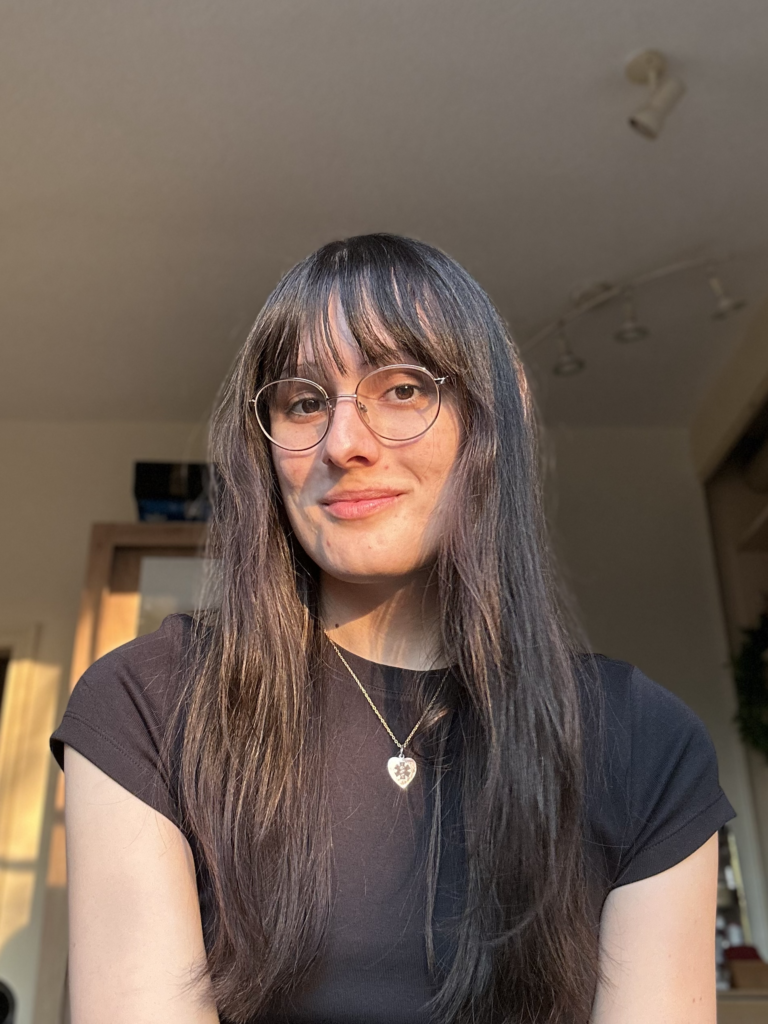
Alongside the emotional challenges of growing up with severe haemophilia A, Elizabeth also describes difficult experiences navigating healthcare as both a person with a bleeding disorder and as a trans woman.
She says her haemophilia centre has been supportive, particularly when she underwent gender-affirming surgery in 2025. Because waiting times for NHS surgery had become so long, Elizabeth eventually arranged private treatment, while her haemophilia centre worked with the surgical team to ensure factor VIII treatment was available throughout the procedure.
‘The surgery itself went completely fine,’ she said. ‘I was really worried because it was major surgery and I thought I’d have loads of problems with bleeding, but it went smoothly.’
However, she says accessing broader gender-related healthcare has often been much more difficult. After being unable to access ongoing hormone prescriptions through her GP, Elizabeth began managing her hormone treatment independently.
‘I felt like I was never going to get the healthcare I needed,’ she said. ‘There’s definitely a level of mistrust there now.’
Elizabeth believes that growing up with haemophilia shaped the way she approaches medical settings today.
‘I often felt invalidated by medical professionals growing up, I think I still fall back into those childhood ideas that I’m not going to be listened to and that the doctor knows best.’
One of the hardest parts, she says, has been the lack of visibility for people who share both experiences.
‘I literally do not know anyone else in the same situation as me,’ she said. ‘There’s always been that desire for more visibility, more information and more understanding about the combination of being trans and having haemophilia.’
Although her journey has not always been straightforward, Elizabeth hopes sharing her experiences will reassure other people who may feel isolated or uncertain about their identity.
‘I think all of us, regardless of the experiences we’ve had, have to believe in ourselves and know that whatever happens, we’re going to stay true to who we are,’ she said.
‘If you’re worried things aren’t going to work out, one way or another they will. Even if things are difficult, you’ll still be happier for being yourself. I don’t think there’s any point in trying to be someone you’re not just to please other people.’