Healthcare
Bleeding and Belonging – finding meaning through poetry
Written by Naomi, July 9, 2026
We caught up with mother of two Alex Akrimi, who shared her experience of parenting a child with a bleeding disorder and how poetry has helped her process it.
Alex’s son Theo has severe haemophilia A, a diagnosis that came as a complete shock to the family. A spontaneous genetic mutation, with no family history, meant nothing could have prepared Alex and her husband for what was to come.
Alex was invited to take part in the Bleeding and Belonging poetry project, a research project led by Brighton and Sussex Medical School, using poetry to better understand the hopes, expectations and worries of people affected by bleeding disorders.
When Alex first joined the project, she hadn’t written poetry since school. Her first instinct was one of hesitation, but after following the advice she gives her own two boys: ‘be brave, step outside your comfort zone.’ she said yes.
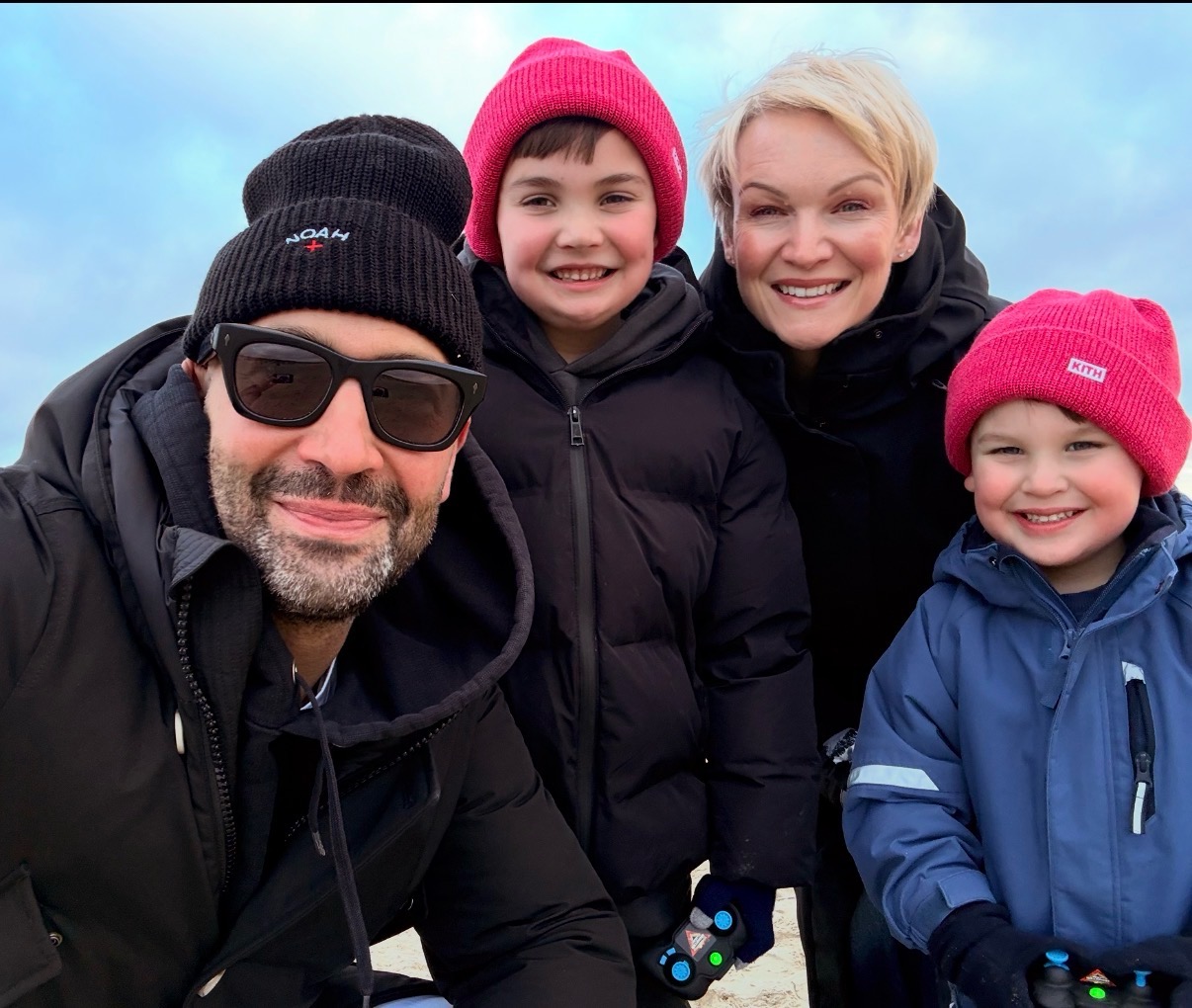
Through weekly sessions with poet Dawn Gorman, alongside a group of other parents, Alex found a way to process the feelings she had carried quietly for years – the shock, the guilt, and the weight of parenting children with hidden conditions they didn’t choose. Putting it into words became, in her own words, ‘cathartic’ – a way to empty the mind and make space for honesty.
Alex describes haemophilia as a hidden condition – something people can’t always see, but that shapes daily life in ways others may never realise. It’s why she’s so passionate about raising awareness, advocating for Theo, and teaching him to see his condition not as a limitation, but as his ‘superpower’.
Alongside that, she found something unexpected: community. A group of parents brought together by shared understanding, resilience and the experience of carrying so much for their children.
‘If your first instinct is ‘I wouldn’t want to do that’ – give it a go anyway. It could be life-changing. It’s a new way of communicating, with others and with yourself.’
Read the full collection of poems below.